
Maryland's Voting Rights Challenges Highlighted on 60th Anniversary of Landmark Act
Summary
Full Article
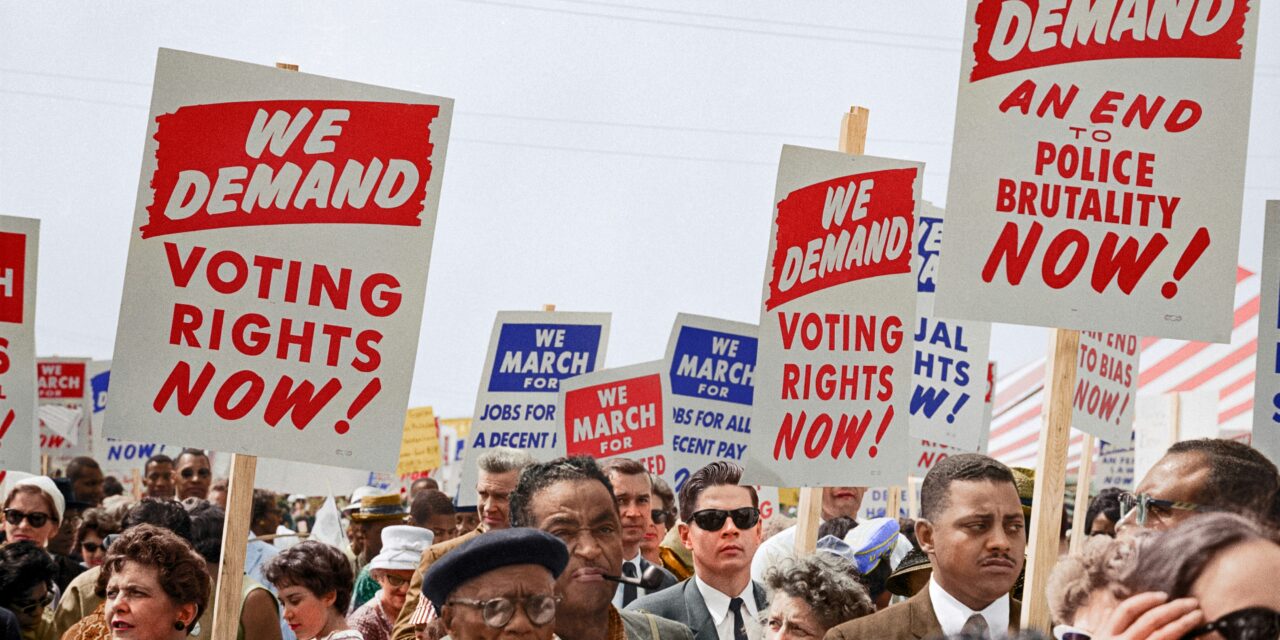
The 60th anniversary of the Voting Rights Act of 1965 brings to light the ongoing challenges to voting rights in Maryland, where Latino, Black, naturalized citizen, and working-class voters face increasing barriers to electoral participation. Recent lawsuits and policy changes in the state mirror a national trend of making it harder for these communities to vote, raising questions about the legacy of the landmark legislation.
In Maryland, unaffiliated voters, many of whom are naturalized citizens and voters of color, find themselves excluded from primary elections that shape leadership, a policy that contradicts the principles of the Voting Rights Act. Meanwhile, lawsuits like Maryland Election Integrity LLC v. Maryland State Board of Elections and RITE v. State Board of Elections have sought to undermine trust in the electoral process through unfounded claims of fraud and demands for voter data, targeting vulnerable communities.
Efforts to counteract these challenges include the proposed Maryland Voting Rights Act, which aims to expand language access and ensure transparent auditing of elections. Additionally, legal actions by figures such as former Lt. Gov. Boyd Rutherford and Maryland Attorney General Anthony Brown seek to protect voting rights against restrictive measures like proof-of-citizenship requirements and the invalidation of late-arriving ballots.
The situation in Maryland underscores a broader national struggle to safeguard voting rights against sophisticated forms of suppression. As the state and the country reflect on the 60th anniversary of the Voting Rights Act, the need for vigilant protection of electoral access for all citizens, especially those historically marginalized, has never been more apparent.

This story is based on an article that was registered on the blockchain. The original source content used for this article is located at citybiz
Article Control ID: 101986